
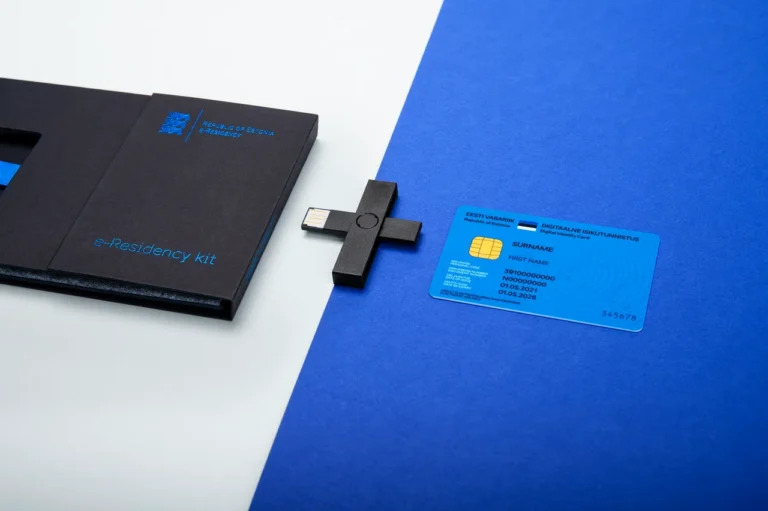
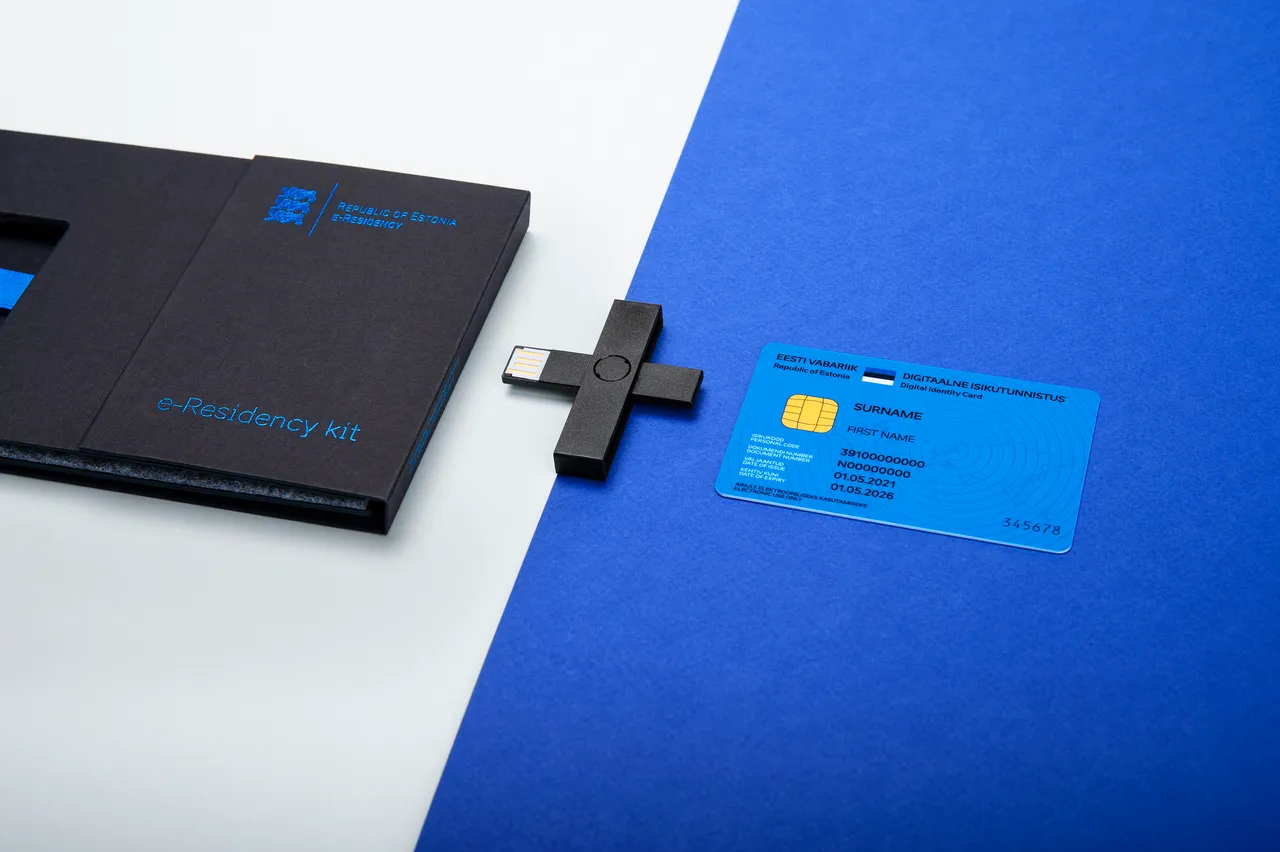
Every few months, someone writes to us saying they’ve been researching where to set up a company. They’ve looked at the UK, the Netherlands, Portugal, and maybe Dubai. Then they found Estonia and e-Residency, and now they have one question: is it actually as good as it sounds? The short answer is: yes (for the right kind of business). But let us explain what makes Estonia genuinely different, not the marketing version, but the practical reality we see working with e-residents every day.
Everything actually works online
Many countries claim to offer digital government services. Estonia is one of the very few places where this is not just a slogan. You can register a company, sign contracts, file tax returns, submit your annual report, and even liquidate a company – all from your laptop, wherever you are in the world. No trips to a government office, no notary visits, no stacks of paper documents.
This matters more than people realise. When you’re running a business across borders, every process that requires a physical presence somewhere is a bottleneck. With an Estonian company and an e-Residency ID card, you remove that bottleneck almost entirely. We have clients who have run their companies for years without ever setting foot in Estonia. Not because they don’t want to visit (Tallinn is lovely!) but because they have no need to.
Your company is a proper EU company
An Estonian OÜ is not an offshore shell or a virtual entity in some grey zone. It’s a fully registered EU company, operating under European law, with a real entry in the Business Register that anyone can verify. This carries weight. EU clients, partners, and payment providers treat you as a legitimate European business, because that’s exactly what you are.
You can issue invoices in euros, work with EU-based banks and payment platforms, register for VAT and handle cross-border sales under the OSS system, and operate across the entire single market. For freelancers, consultants, SaaS companies, and e-commerce businesses, this is a massive practical advantage. If you’ve ever tried to open a Stripe or PayPal business account from a country where those services aren’t fully available, you know exactly how frustrating it can be. An Estonian company often solves that problem.
The tax system rewards reinvestment
Estonia’s corporate tax system is unique in the EU. You pay 0% corporate income tax on profits that stay in the company. Tax only kicks in when you distribute profits as dividends – and even then, the rate is a straightforward 24% on the gross distribution.
What this means in practice: if you’re reinvesting in your business – hiring, buying tools, building your product – you keep everything you earn. There’s no quarterly estimated tax payment, no advance corporate tax, no complex calculation of taxable profits at year-end. You just grow. For early-stage businesses, this is a big advantage. It means you can build up reserves, invest for growth, and decide later when and how much to withdraw as personal income. The system is simple, transparent, and genuinely founder-friendly.
Low running costs, especially for small businesses
One of the things that often surprises people: running an Estonian company doesn’t cost much. The state fee for registration is €265. A legal address starts from around €125 per year. Monthly accounting for a simple service-based company can start under €100 per month.
Compare that with the Netherlands, where notary fees alone can exceed €1,000, or the UK, where you’ll need a registered office, an accountant, a separate Companies House filing, and often a VAT registration process that takes weeks. Estonia’s setup is lean by design. Of course, costs scale with complexity. If you’re running an e-commerce business with multiple currencies, platforms, and VAT obligations across Europe, your accounting will cost more. But the baseline is low, and there are no hidden surprises.
Transparency builds trust
Every Estonian company’s annual report is publicly available. That might sound intimidating, but it’s actually one of the system’s biggest strengths. When a potential client or partner looks you up, they see a real company with filed reports and a verifiable track record. You’re not a mystery. In many countries, getting basic information about a company requires paid database searches or formal requests. In Estonia, it’s a few clicks. This transparency works in your favour; it signals that you operate in a well-regulated, accountable environment.
What e-Residency is not
It’s worth being clear about what you’re getting. E-Residency is a digital identity, not a visa, not a residence permit, and not a path to citizenship. It doesn’t change your personal tax residency. You still need to understand and comply with the tax rules in the country where you actually live. If you’re a freelancer in Spain, your personal tax obligations in Spain don’t disappear because you have an Estonian company. The Estonian company handles its own corporate obligations, but your personal situation depends on where you are.
This is an area where good advice upfront saves real headaches later. Also, some business activities require special licences in Estonia financial services, gambling, and cryptocurrency, for example. E-Residency gives you the ability to start most businesses, but not all businesses are a good fit.
So, who is this actually for?
Based on what we see daily, Estonia works exceptionally well for freelancers and consultants who want a clean, professional EU company structure; SaaS and digital service businesses that operate internationally; e-commerce sellers using platforms like Amazon, Etsy, or Shopify who need a proper EU base for VAT and payments; and location-independent entrepreneurs who want to manage everything remotely.
If your business is mainly physical — like a restaurant, a construction firm, or a local retail store — Estonia probably isn’t the ideal choice. However, if your work is mainly laptop-based and your clients are spread across borders, it’s difficult to beat.
Getting started is simpler than you think
The process goes like this: apply for e-Residency, wait a few weeks for approval, pick up your digital ID card at a nearby embassy or collection point, and then register your company online. With a service provider handling the paperwork, the company itself can be up and running within a day or two of your ID card arriving. From there, it’s about setting up the basics: a bank account (Wise and other fintech options work well for most e-residents), a legal address, and accounting services. Once those pieces are in place, you’re running a real EU company from wherever you happen to be.
—
We help e-residents register companies, set up accounting, and handle ongoing compliance, all remotely. Ready to get started? Fill in our registration form, contact us using the form below, or write to info@tuneup.ee